Behind the Story
You loved the story. Now explore the history that inspired it.
While Asher, Jesse, Avner, and the other members of Eliab’s band are fictional, the world they inhabited was real. Roman occupation, political unrest, the influence of the Zealots, the dangerous Jericho Road, and the events surrounding Jesus’ final week are all rooted in history.
The story unfolds during Passover, when Jerusalem was crowded with pilgrims and Roman authorities were especially alert to the possibility of unrest.
My hope is that this story not only entertained you but also encourages you to explore the remarkable historical events that inspired it.
Judea Under Roman Rule
When our story begins, Judea had been under Roman rule for nearly a century. In 63 BC, the Roman general Pompey captured Jerusalem, bringing the region under Roman control. Although King Herod the Great later ruled Judea as Rome’s client king, ultimate authority rested with Rome. After Herod’s death, Roman governors—including Pontius Pilate—administered Judea on behalf of the emperor.
Roman rule brought stability, roads, and trade, but it also imposed heavy taxation and foreign authority over a people fiercely devoted to their faith and national identity. For many Jews, living under pagan occupation was a daily reminder that Israel was no longer free. By the time of Jesus’ ministry, resentment had simmered for generations, creating an atmosphere of political tension and growing unrest.
Rome maintained that authority not only through soldiers and taxation, but also through harsh public punishment. Crucifixion was among its most brutal methods of execution, intended to punish the condemned while warning others against defiance.
Artistic depictions often show nails driven through the palms. Roman crucifixion practices varied, but anatomical studies suggest that nails placed through the wrist or lower hand could support the weight of the body more effectively than nails driven through the center of the palm. For this reason, the illustration depicts the risen Christ without a visible wound in the center of His outstretched hand; the wound would have been nearer the wrist.
Jerusalem at Passover
Passover brought large numbers of pilgrims to Jerusalem to commemorate Israel’s deliverance from slavery in Egypt. Under Roman occupation, that celebration carried unavoidable political meaning.
The city became crowded, emotionally charged, and more difficult to control, so Roman authorities increased their military presence during the festival. Against that tense backdrop, Jesus entered Jerusalem, confronted corruption in the Temple courts, and drew the attention of both religious and Roman authorities.
This atmosphere of expectation, fear, and unrest forms the historical setting for the final days of the novel.
The Zealots and the Hope for a Messiah
Not all Jews responded to Roman rule in the same way. Some accepted Roman authority as an unavoidable reality. Others hoped God would intervene in His own time. A smaller but determined group believed it was their duty to fight for Israel’s freedom by force. These men became known as the Zealots.
The Zealots believed that God alone should rule Israel and viewed Roman occupation as an affront to both their nation and their faith. Some organized armed resistance, while an even more radical faction, known as the Sicarii, carried out assassinations against those they considered collaborators.
Many Jews living under Roman rule hoped for a promised deliverer who would free Israel from foreign occupation and restore the kingdom of David. Jesus, however, did not lead an armed rebellion against Rome. He proclaimed the kingdom of God, calling people to repentance, faith, and a transformed relationship with God.
Because He did not fulfill the political expectations held by many at the time, many did not accept Him as Israel’s promised deliverer. Jewish tradition therefore continues to await the Messiah’s coming.
This expectation forms an important part of Jesse’s journey in Remember Me. He longs for a leader who will overthrow Rome and restore Israel’s freedom, and initially views Jesus through that hope. His struggle reflects the expectations shared by many people living in first-century Judea.
The Jericho Road
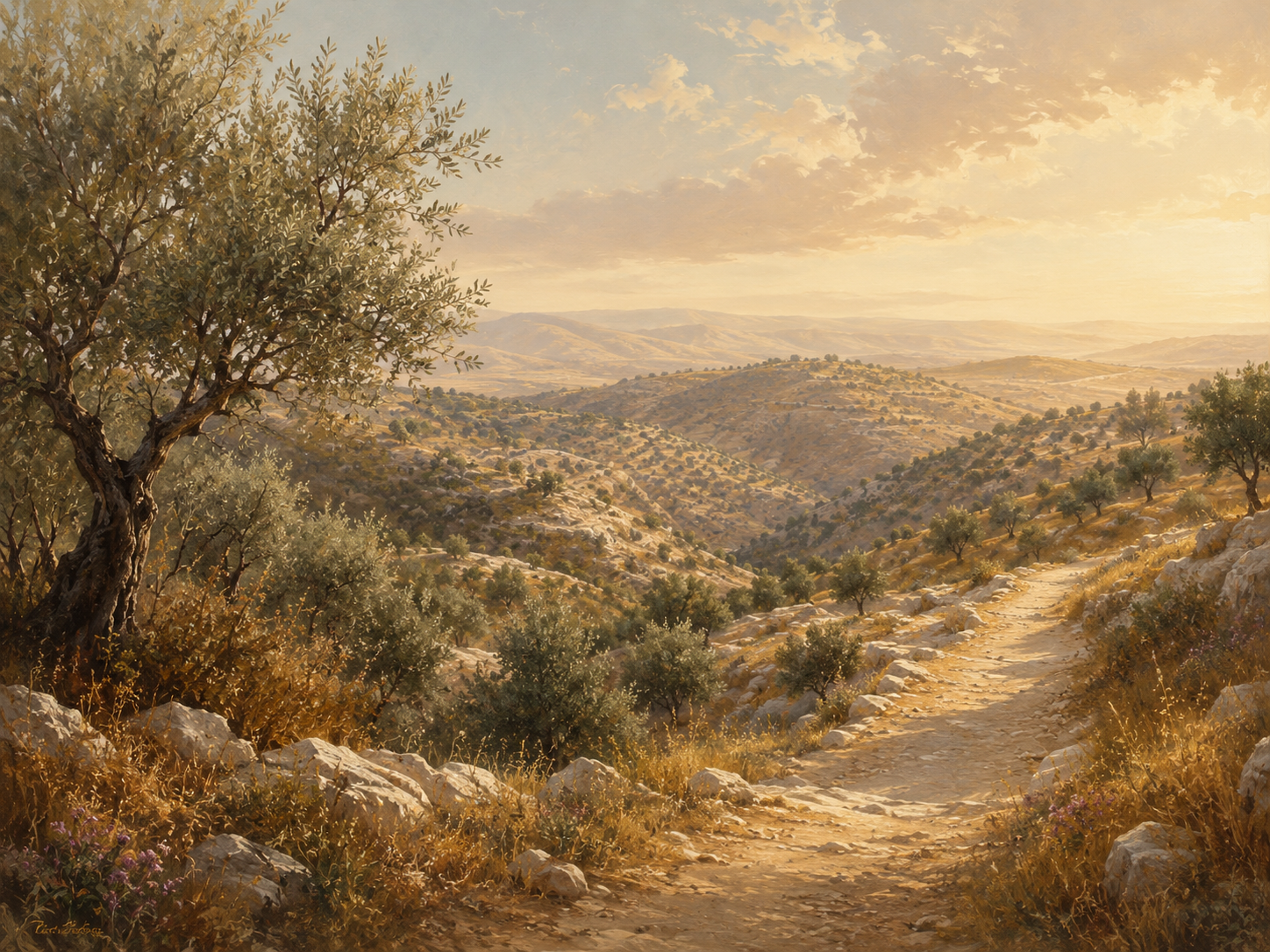
The road between Jerusalem and Jericho stretched approximately seventeen miles through steep, rocky wilderness, descending nearly three thousand feet from the Judean hills to the Jordan Valley. Its narrow passes and isolated terrain made it notorious for robbery and violence.
The Jericho Road appears in one of Jesus’ best-known parables—the Good Samaritan—and serves as the opening setting for Remember Me. Although Asher and Eliab’s band are fictional, groups of bandits operating along lonely roads such as this were a genuine danger in the ancient world.
Travelers often journeyed in groups whenever possible, knowing that the road’s reputation was well deserved.
Author’s Note
Historical fiction lives in the space where documented history and imagination meet. Every biblical event in this novel remains faithful to Scripture, while the lives of Asher, Jesse, Avner, Eliab, and the other fictional characters were imagined to explore how ordinary people might have experienced those extraordinary days.
My hope is that Remember Me has not only entertained you, but also deepened your appreciation for the remarkable history that surrounds the greatest story ever told.